Back to News
Leisure & Seafronts
Plans approved for vital cliff stabilisation works on Clacton seafront
*
Cllr Adrian Smith on the upper promenade opposite Alton Road, Clacton
Plans for vital works to stabilise part of Clacton’s seafront cliffs and strengthen the coastline have been given the go-ahead.
Tendring District Council (TDC) secured planning permission for the scheme on the Lower Promenade at Marine Parade West, opposite Alton Road, after a section of the existing tumbled brick wall failed.
The project will see the wall rebuilt using recovered brickwork, a buried sheet-piled wall installed and new drainage added to intercept water flowing through the cliff slope.
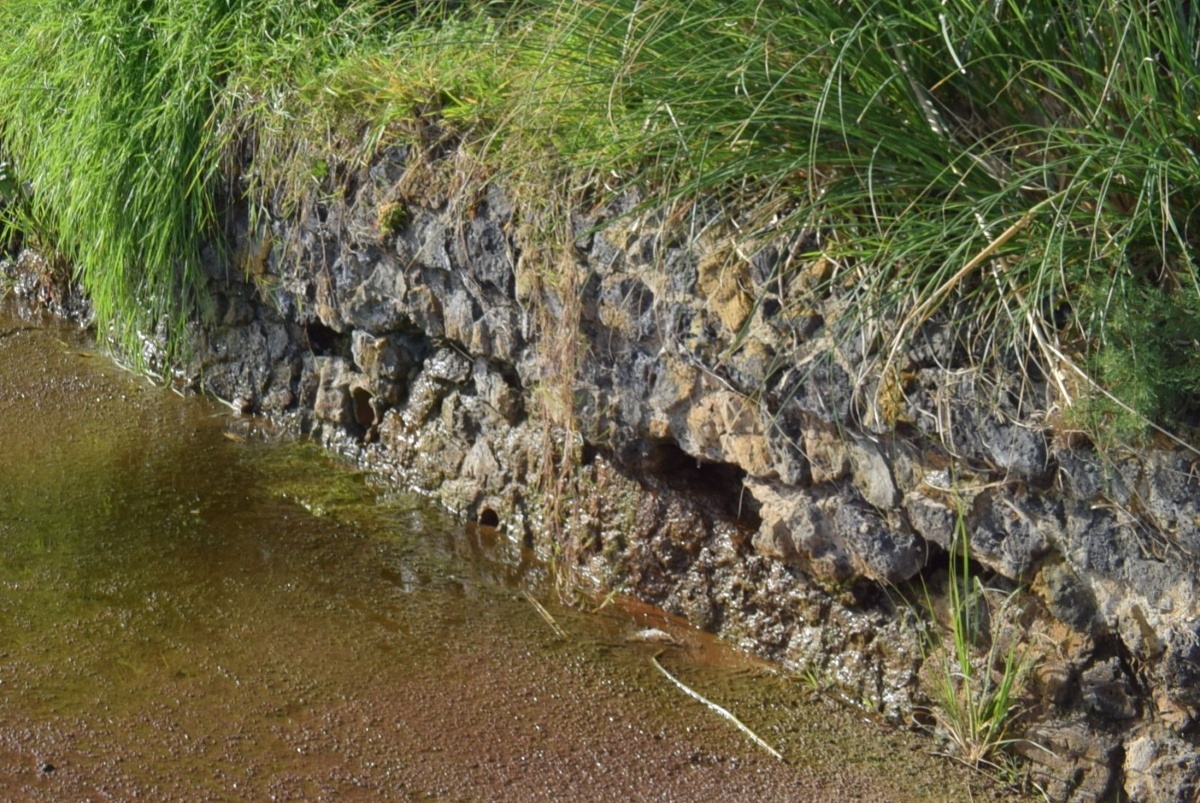
Water has been flowing from the cliff face and through cracks in the damaged wall, crossing the promenade and creating a potential hazard, particularly during the winter months.
Once complete, the new piling and drainage will be hidden and the rustic tumbled brick wall reinstated, helping to preserve the familiar appearance of the seafront.

Silent, vibrationless piling techniques will be used, while the drains will be installed using trenchless technology to minimise disturbance and avoid unnecessary excavation.
The scheme is designed to prevent cliff failure and reduce the risk of progressive slippage causing damage across a wider area, including the promenade, cliff access paths and clifftop gardens.
Councillor Adrian Smith, TDC’s Cabinet Member responsible for Coast Protection and Engineering, said the approval marked an important step towards protecting a prominent stretch of coastline.
“These works will tackle the cause of the instability, strengthen the cliff and help prevent a larger failure which could affect the promenade and wider seafront,” he said.
“Clacton’s coastline is one of our greatest assets, and investing in practical measures like these is essential to keep it safe, accessible and attractive for residents and visitors.
“With planning permission now in place, we can move ahead with the next stages and will share further details once the contractor and programme have been confirmed.”
Historic England and Essex County Council’s heritage specialists raised no objection to the plans, subject to the works being carefully carried out. Archaeological investigations will also take place before construction begins because of the area’s potential for significant prehistoric deposits.
TDC is progressing procurement for the scheme, with work hoped to begin in January, subject to the appointment of a contractor and completion of the required pre-construction investigations.
The work will be carried out over four months during the quieter winter months to minimise disruption when the seafront is busiest.
The mid-height cliff path will need to close for the duration of the project, while a section of the promenade will also be closed for a significant part of the works to allow construction plant to operate safely at the foot of the cliff.
The plans were unanimously approved at a meeting of TDC’s Planning Committee on Wednesday (14 October).

