Back to News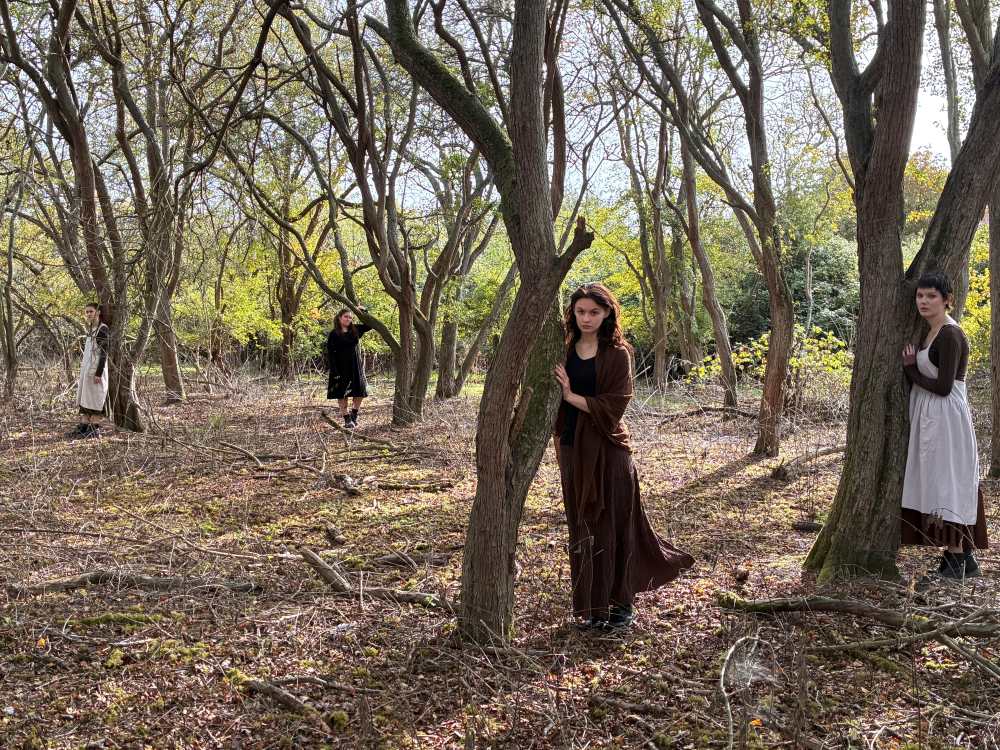
Leisure
Suspicion spreads as The Crucible comes to Clacton
*
The cast of The Crucible, which will be staged at Clacton's Princes Theatre. Image: TDC
Fear and accusation will take over the Princes Theatre this October as local performers bring Arthur Miller’s The Crucible to the Clacton stage.
Set during the Salem witch trials of 1692, The Crucible follows a community that begins to turn on itself after a group of young women are accused of witchcraft. As accusations spread, private grudges surface, reputations are destroyed and fear takes the place of reason.
Bringing that story to life, the production unites adult performers from the Princes Acting Centre with young actors from Princes Youth Theatre, under the direction of theatre practitioner and drama educator Melissa Wenn.
Melissa said: “The Crucible is a demanding and powerful play, and the cast have really risen to that challenge.
“Bringing our adult actors and young performers together has created a tremendous energy within the company. Audiences can expect an intense and compelling evening of theatre.”
The production builds on the launch of the Princes Acting Centre’s adult workshops earlier this year, which have given local people the opportunity to return to acting, build their confidence and develop their performance skills.
Councillor Gary Scott, Cabinet Member for Arts, Culture and Heritage at Tendring District Council – which runs the theatre – said: “This is a fantastic opportunity to see local talent come together and take on one of theatre’s great plays.
“The cast have put a great deal into this production, and I hope residents will come along, support them and enjoy a powerful evening at the Princes Theatre.”
The Crucible runs from Thursday, 29 October, to Saturday, 31 October, with performances at 7.30pm each evening. The production is suitable for audiences aged 14 and over.
Tickets and further information are available at www.princestheatre.co.uk.
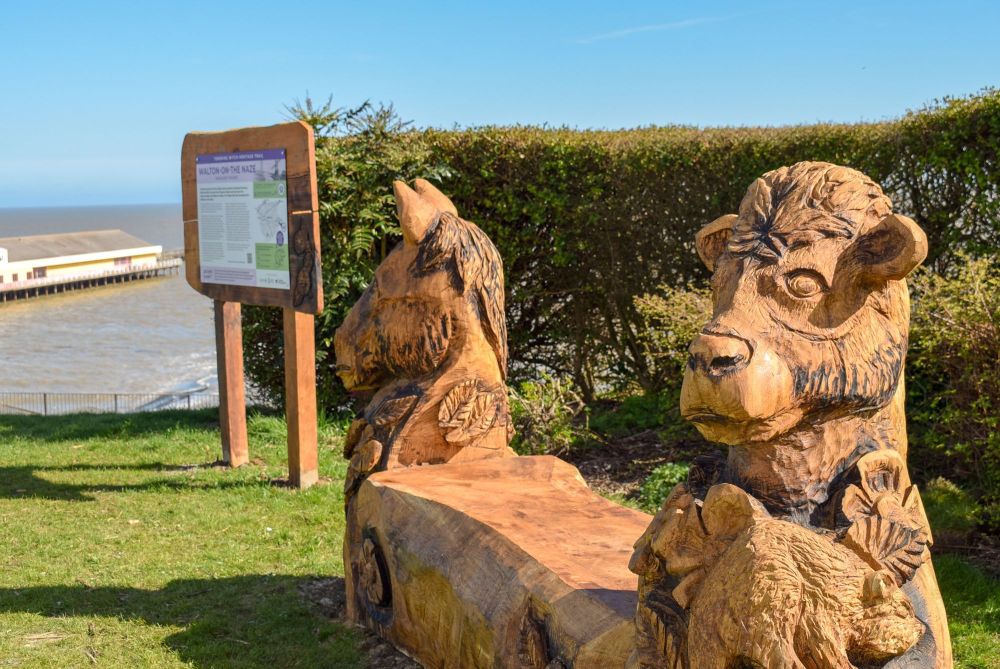
The themes explored in Arthur Miller’s The Crucible have local resonance in Tendring, where communities were affected by the Essex witch trials of the 16th and 17th centuries.
Across England, around 500 people were executed for witchcraft, with Essex a major centre of prosecution.
Of 291 people accused in Essex between 1560 and 1680, 74 were hanged, 55 imprisoned and 36 died in gaol.
Accusations were often fuelled by fear, superstition, local disputes and social tensions.
Tendring District Council’s Witch Heritage Trail tells the stories of people and places linked to this history in Manningtree, St Osyth, Harwich and Walton-on-the-Naze.
Made possible by £49,385 from the Rural England Prosperity Fund, the trail features specially designed benches, information boards and augmented reality experiences accessed by smartphone.
Professor Alison Rowlands, Professor of European History at the University of Essex, helped ensure the experiences reflect the historical evidence and tell the stories authentically.
Like Miller’s play, the trail explores themes of suspicion, accusation and collective fear, encouraging reflection on how these forces affected communities during the witch trials.
More information is available on the Essex Sunshine Coast website at essex-sunshine-coast.org.uk/tendring-witch-heritage-trail/

